A History Written
In Precision
136 years. Eight generations of master watchmakers. One founding principle: that a timepiece should outlast its maker, and speak for them long after they are gone.
Auguste Noir,
Le Sentier, 1887
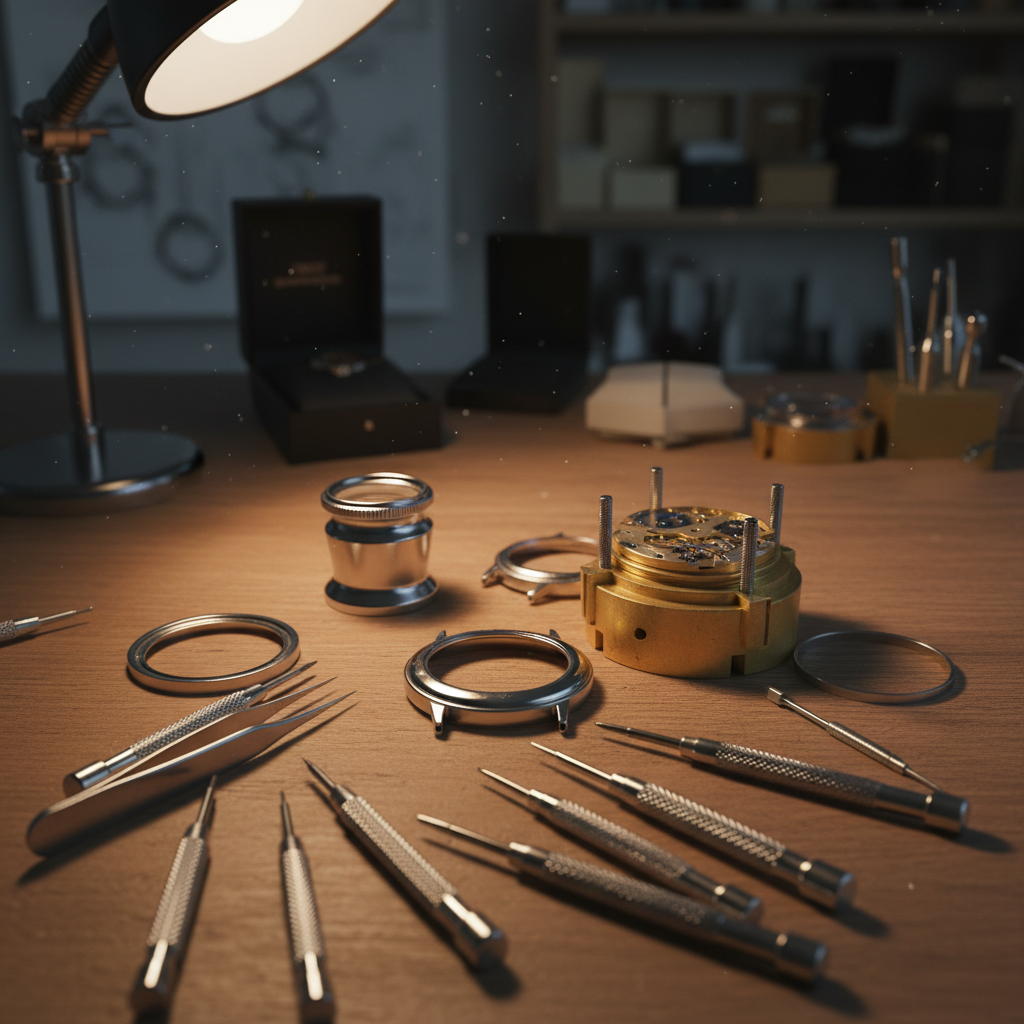
Auguste Noir was 27 years old when he established his atelier in the Vallée de Joux — the valley that has produced more master watchmakers per capita than any place on earth. He arrived with a single tool chest, a leasehold on a stone building, and a letter of introduction from the Ecole d'Horlogerie in Geneva.
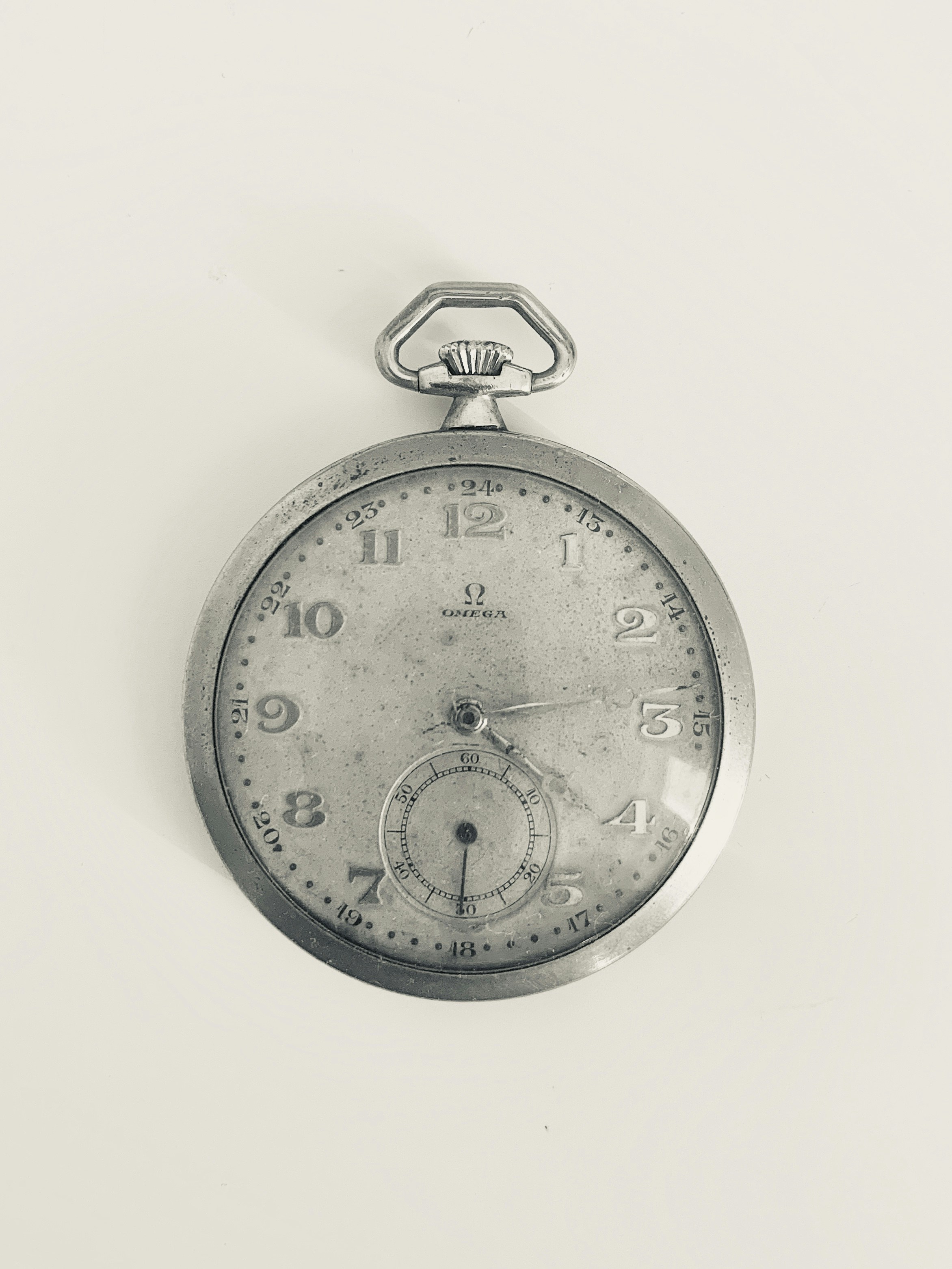
His first commission was a pocket watch for a Zurich banker. The movement took 14 months. The banker complained. Auguste returned the payment and kept the watch. That watch — Calibre I, serial number 001 — remains in the Noir Collection archive in Geneva.
The banker eventually returned and ordered three more. He told his friends. By 1895, Noir Collection had a two-year waiting list and was refusing commissions from anyone who could not demonstrate they understood what they were asking for.
136 Years,
12 Moments
The Atelier is Founded
Auguste Noir establishes his workshop in Le Sentier with one apprentice and a philosophy: refuse any commission that cannot be executed perfectly.
First Royal Commission
King Leopold II of Belgium commissions a minute repeater pocket watch. The piece takes 22 months and is still in the Belgian royal collection.
Concours de Chronométrie
The Calibre I tourbillon wins the Geneva precision competition with a daily variation of 0.4 seconds — a record that stood for 11 years.
The Vallée Partnership
Noir Collection enters a formal partnership with three specialist suppliers in the Vallée de Joux, securing exclusive access to the finest lever springs and jewel settings.
Four Royal Warrants
By 1927, Noir Collection holds royal warrants from four European monarchies. The waiting list extends to three years.
The Archive is Established
Henri Noir (son of Auguste) creates the Noir Archive — a complete record of every movement produced, including photographs, specifications, and owner history.
Aerospace Certification
The Calibre VIII becomes the first Swiss mechanical movement to receive aerospace certification from the ESA, worn on two orbital missions.
The Quartz Crisis — Refused
While Swiss watchmaking collapses around them, Noir Collection refuses to produce a quartz movement. Production drops to 4 pieces per year. All 4 sell immediately.
Centennial Grande Complication
18 pieces of the Grande Complication are produced to mark 100 years. Each features 847 components and 11 complications. All 18 remain in private hands.
The Obsidian Calibre
The first DLC-coated titanium movement is developed over 7 years. The Obsidian Series is born — the darkest watch ever produced by a Geneva maison.
The New Atelier
A new 1,200 square metre atelier opens in Le Sentier, designed by a Pritzker Prize-winning architect. Natural light only. No artificial lighting in the movement assembly room.
The Atelier Series
Six watches. Six master watchmakers. Six visions of what a timepiece can be. The 2026 Atelier Series debuts at SIHH Geneva to a waiting list of 340 collectors.

To the collector who holds this watch:
You are holding something that required more of me than I knew I had. I do not write this to seek your admiration. I write it because I believe you deserve to know what it cost.
This movement contains 847 parts. I touched each one. I beveled each bridge by hand, under a loupe, in the early morning when the light from the valley comes in clean and cold. I made mistakes. I started again. I made more mistakes. I started again.
The escapement took me eleven attempts before I was satisfied. Not before it worked — before it was right. There is a difference, and that difference is the only thing I have ever cared about.
Wind this watch. Listen to it. That sound is not a mechanism. It is the sound of a man who refused to stop until it was perfect. I hope it keeps you honest.
Auguste Noir
Le Sentier, October 1887
The original letter accompanies every Noir timepiece as a facsimile, printed on handmade paper using the same iron-gall ink recipe Auguste used in 1887.